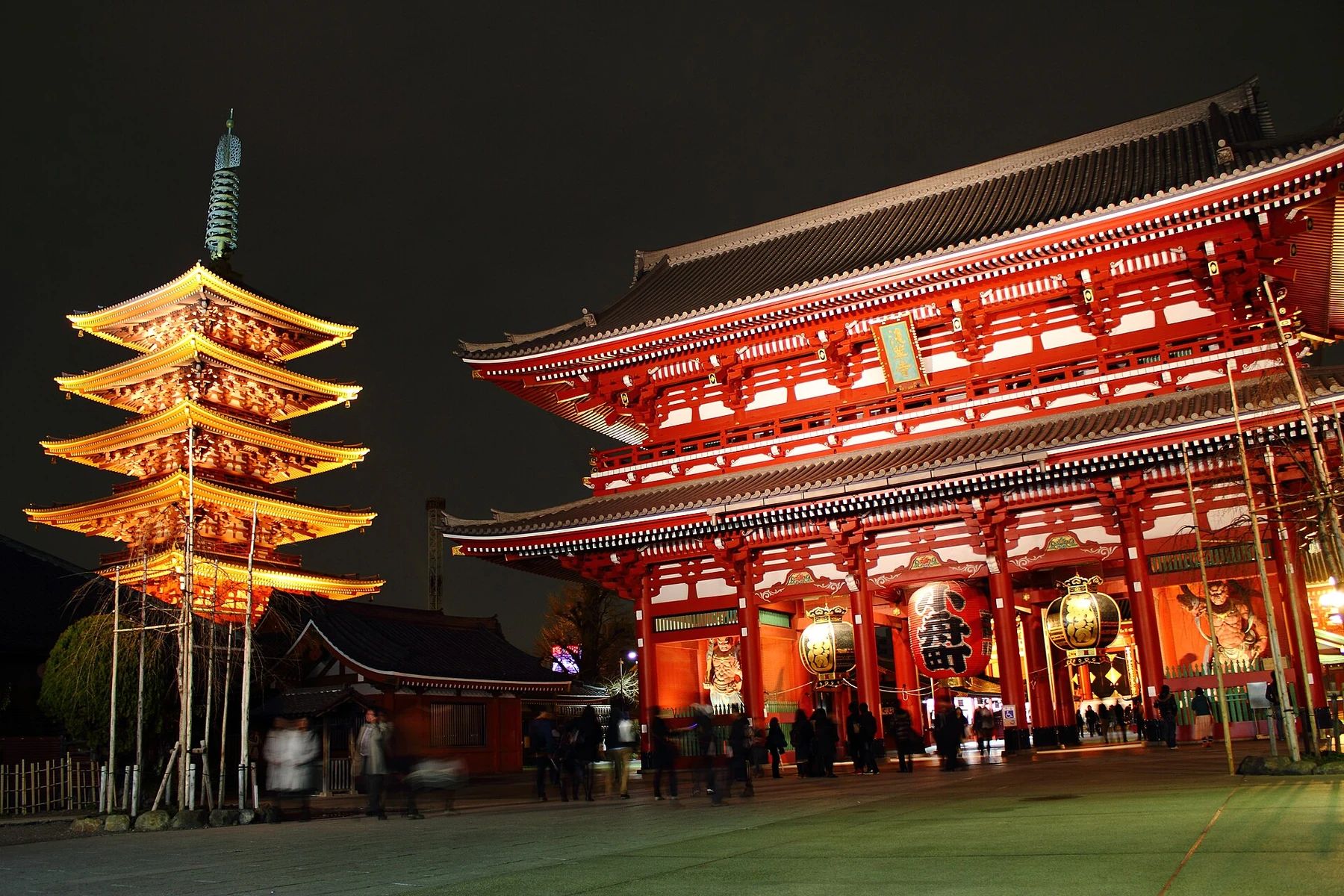
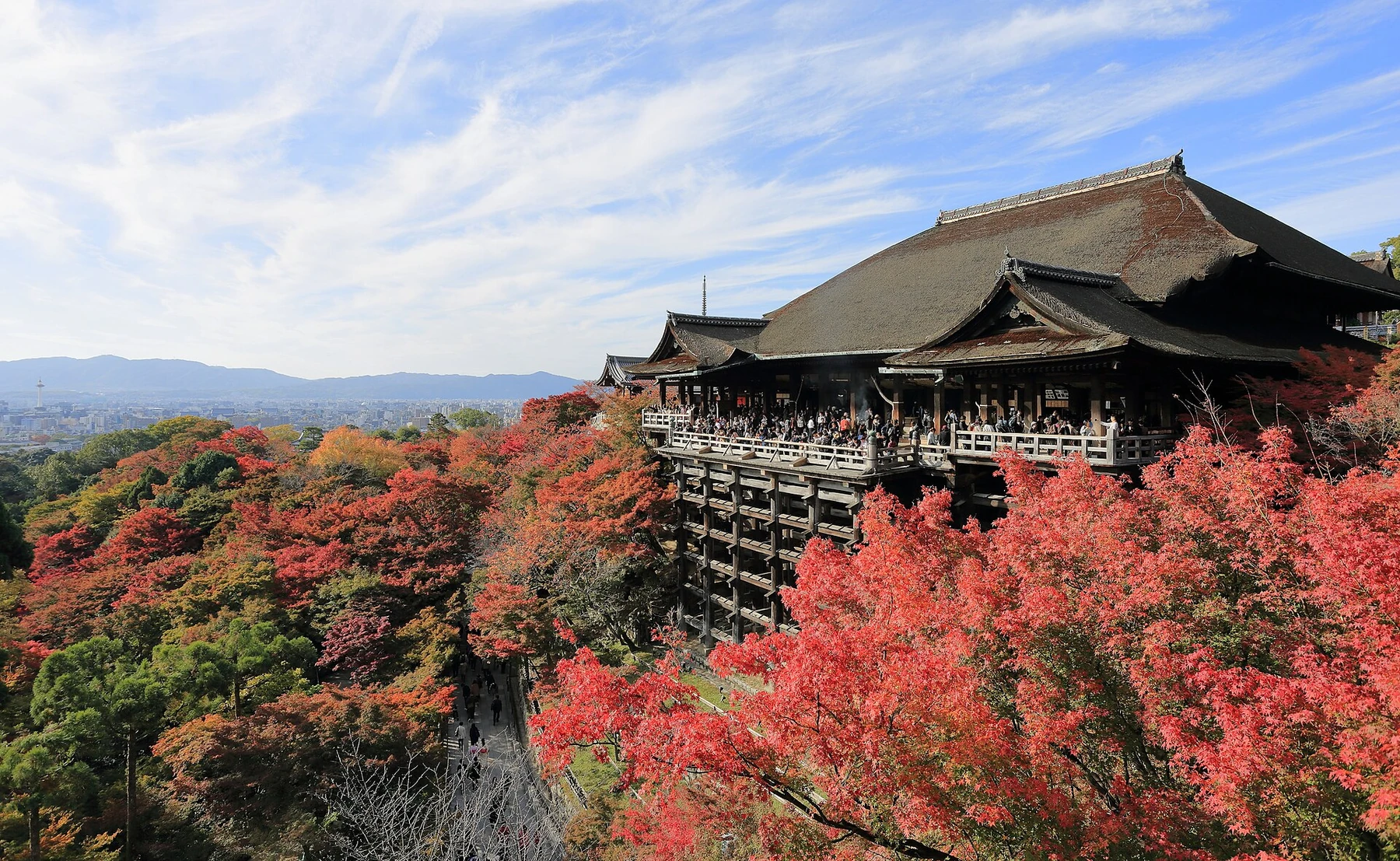
Kyoto’s temples
Walk between temples, gardens and old streets. Allow a full day so there is time for small teahouse stops too.
Advertisement · Viator
View the private Kyoto day tour ASILIJOURNEYS

Asia · Culture & nature
Explore city life, temples and hot springs. Spring and autumn are natural starting points if you want to experience the changing colours of the seasons.
WHEN SHOULD YOU TRAVEL?
March–May: spring and blossom. October–November: pleasant days and autumn colours. Timing varies between north and south.
Choose a month to see what might suit your trip. This advice reflects typical conditions; check your region and dates before booking.
YOUR TRIP AT A GLANCE
Combine Tokyo or Kyoto with a ryokan stay. A simple itinerary leaves more time for temples, food and small discoveries.
For a first trip to Tokyo and Kyoto, April–May and October–November are good starting points. Choose spring for gardens and the chance of cherry blossom, or autumn for city walks and colourful foliage. The second half of May is worth considering if you want to travel after Golden Week and do not need to catch the blossom.
Japan does not have one shared season. Hokkaido in the north, the cities of Honshu and Okinawa in the south can have very different conditions on the same date. Decide what you want to experience first, then adapt your itinerary to the season.
| Month | A good starting point | What to consider |
|---|---|---|
| January | Winter city breaks, onsen and skiing in suitable mountain areas | The New Year period can bring closures and busy transport. |
| February | Winter sports and a city stay with indoor breaks | Pack for the cold; snow conditions depend on the area. |
| March | Spring in Tokyo and Kyoto | Blossom timing varies each year and is not the same everywhere. |
| April | Gardens, temples and spring outings | Popular places attract many visitors. Golden Week begins at the end of the month. |
| May | Cities and nature, especially after Golden Week | Early May is busy. Cherry blossom has usually finished in Tokyo and Kyoto. |
| June | Museums and flexible city plans; consider Hokkaido | The rainy season affects many areas, but not equally. |
| July | Festivals and an itinerary with breaks from city heat | Heat, humidity and rain can make long days of walking demanding. |
| August | Summer experiences with a relaxed schedule | Heat and holiday traffic; typhoons can disrupt travel. |
| September | A flexible itinerary, perhaps including northern areas | Typhoon risk and lingering heat; not a reliable choice for cool autumn weather in Tokyo. |
| October | City walks and autumn in the north or at higher elevations | Autumn colours do not reach every city at the same time. |
| November | Tokyo and Kyoto with an autumn focus | Kyoto’s autumn colours often arrive later in the month. |
| December | Winter illuminations, city stays and hot springs | Cold weather and New Year closures; check the local ski season. |
This overview describes typical seasons, not a weather forecast or a guarantee of blossom, snow or autumn colours.
Golden Week falls in late April and early May. Book key accommodation and longer train journeys early, or travel after the holiday period. The rainy season makes June a month when museums and flexible plans are useful; Hokkaido is less affected than many other regions. New Year is a major Japanese holiday period, so check restaurants, museums and transport individually.
March and April: Choose for the region you want to visit, and keep your route flexible if cherry blossom is the main goal. Flowering progresses through the country and varies each year. A Tokyo hotel booking therefore cannot guarantee blossom during your particular week.
May: For Tokyo and Kyoto, the period after Golden Week is a useful alternative when city exploring and gardens matter more than cherry blossom. JNTO describes blossom continuing into May in parts of Hokkaido and northern Tohoku; this does not mean Kyoto has the same conditions.
Choose October when city walks are the priority and you can be flexible about autumn colours. Consider November if Kyoto's foliage is an important part of your trip, checking local seasonal updates closer to departure. JNTO describes Kyoto's autumn colours typically starting from mid-November. Higher and northern areas can turn earlier, so a single nationwide monthly recommendation is too broad.
A first trip is easier to plan with two or three bases. Tokyo and Kyoto offer city life and temple districts; a hot-spring stay can provide a break between them. Every extra base also means packing, transport and another check-in.
| Time in Japan | Suggested split | What you can fit in |
|---|---|---|
| 7 nights | 4 Tokyo + 3 Kyoto | Two cities. Save most day trips for another visit. |
| 10 nights | 4 Tokyo + 2 Hakone + 4 Kyoto | Cities and a quieter stay with the option of onsen. |
| 14 nights | 5 Tokyo + 2 Hakone + 5 Kyoto + 2 Tokyo | Time for excursions and a final stay near your departure area. |
This split is an editorial suggestion, not a single best itinerary. If you fly into Tokyo and out of Kansai near Osaka, you can avoid returning to Tokyo. Compare airfares and domestic transport before deciding. With one week, a single base with local excursions is also a good choice if you want to spend less time on trains.
Use the Tokyo guide to choose a neighbourhood, and the Kyoto guide for ideas for your next stop. Hakone is a suggestion for a separate stay; check the hotel’s bathing facilities and connections to your next city.
Japan can work with different budgets. Your room, the number of long-distance train journeys and your chosen experiences make a considerable difference. Start in yen and convert using the rate you actually receive from your bank. This keeps exchange-rate changes separate from hotel-price changes.
These are our worked examples per adult per day. Two adults share one double room. The amounts are spending allowances, not researched hotel rates, measured averages or offers.
| Item | Simple stay | More comfort | Extra room |
|---|---|---|---|
| Share of double room | 5,000 | 9,000 | 15,000 |
| Food and drinks | 3,000 | 4,000 | 7,000 |
| Local transport | 1,000 | 1,000 | 2,000 |
| Admission and experiences | 1,000 | 2,000 | 4,000 |
| Daily total | 10,000 | 16,000 | 28,000 |
The room shares assume total room rates of 10,000, 18,000 and 30,000 yen respectively. These are targets to test against your hotel search; they do not guarantee a particular hotel or location on your dates. Simple stay assumes fewer paid experiences and simpler meals. Extra room means a larger allowance, not a promise of luxury.
Ten nights and ten full daily allowances give totals of 100,000, 160,000 or 280,000 yen per person. For two people sharing the room, the corresponding totals are 200,000, 320,000 and 560,000 yen. This does not assume a particular number of calendar days: allow separately for meals and transport on arrival and departure days according to your flight times.
All examples exclude international flights, airport transfers, long-distance trains, travel insurance, any local accommodation taxes and shopping. Price these separately and add a contingency. If you travel alone with your own room, double the room share in the model; the other items do not automatically double.
Choose fewer bases and group visits by neighbourhood. A lunch set can be an alternative to an expensive evening menu; compare the actual menus and any additional charges. Compare a ryokan including dinner and breakfast with a hotel plus both meals. Check whether a cheaper hotel adds transfers or a taxi after a late arrival.
For Tokyo and Kyoto, compare individual tickets for your actual train journeys with any rail pass. A national pass can suit a route with extensive travel, but its familiar name alone is no reason to buy it. Read about trains and the Japan Rail Pass, then choose your bases using the Tokyo guide and Kyoto guide.
There is no single price for the whole season. Compare equivalent room types and neighbourhoods across dates before drawing conclusions about price differences. If your trip depends on blossom timing, pay attention to change and cancellation terms too. JNTO identifies Golden Week, in late April and early May, as a particularly busy period with crowded trains and hotels.
For everyday city travel: A rechargeable IC card such as Suica or PASMO makes paying on many trains and buses easier. It is a payment method, not an unlimited travel pass. Long-distance trains and special express services may require a separate ticket or supplement.
Between major cities: Look into Shinkansen services for the journeys you will actually make. Compare hotel-to-hotel travel time, the number of changes and luggage rules too. For a shorter stay with few train journeys, individual tickets may be simpler.
Japan Rail Pass: Buy it only after calculating the cost of your itinerary. A nationwide pass is not automatically the cheapest option and does not cover every train or local railway. Nozomi and Mizuho services require pass holders to buy a special additional ticket. Compare current individual fares with the official pass price and check regional alternatives.
Tokyo is served by both Haneda and Narita. Choose transport based on your hotel and arrival time, rather than simply picking the best-known express service. See airport transport and the metro in the Tokyo guide.
Yes, if you want city experiences, hot springs or winter sports in suitable areas. Winter is not a shortcut to the same trip you would take in April: plan for cold weather and shorter days, and check New Year closures.
Yes. Plan indoor options and allow time to change the order of your activities. The rainy season does not mean all-day rain every day. An itinerary in Hokkaido may be an alternative, although the weather cannot be guaranteed there either.
GET TO KNOW THE DESTINATION
Choose a base and explore experiences, accommodation and guided tours.
Walk between temples, gardens and old streets. Allow a full day so there is time for small teahouse stops too.
Advertisement · Viator
View the private Kyoto day tourCombine food markets, neighbourhoods and museums. Choose a few areas each day rather than crossing the whole city.
Advertisement · Viator
View the Shinjuku food walking tourTake a private day trip from Tokyo to Hakone with an onsen option. Confirm that a bath is part of your itinerary; onsen admission costs extra. This is a day trip, rather than a ryokan stay.
Ad · GetYourGuide
Explore the Hakone tour with onsenStay near a well-connected station. It makes excursions easier and saves travel time.
Ad · Booking.com
Explore stays in TokyoAd · Booking.com
Explore stays in KyotoA Japanese inn is an experience in itself. Check whether dinner, breakfast and access to baths are included.
FIND YOUR BASE
Compare locations, rooms and booking terms for your dates.
Bookings, payments and changes are handled by the provider.
By Asili Journeys · Updated . This guide draws on official travel information and editorial planning suggestions. We do not describe personal visits or review specific hotels.
Prices and transport terms were checked against the sources above when this guide was updated. Check the provider’s current information for your dates. Budget examples are our calculations, not price quotes.
For snow and skiing, investigate Hokkaido and mountain regions such as Nagano instead of expecting snow in Tokyo. The ski season usually starts in December, but opening dates and snow cover vary by area and year. Use our Tokyo and Kyoto guides for city days, then check transport, equipment and local conditions separately for your chosen ski resort.