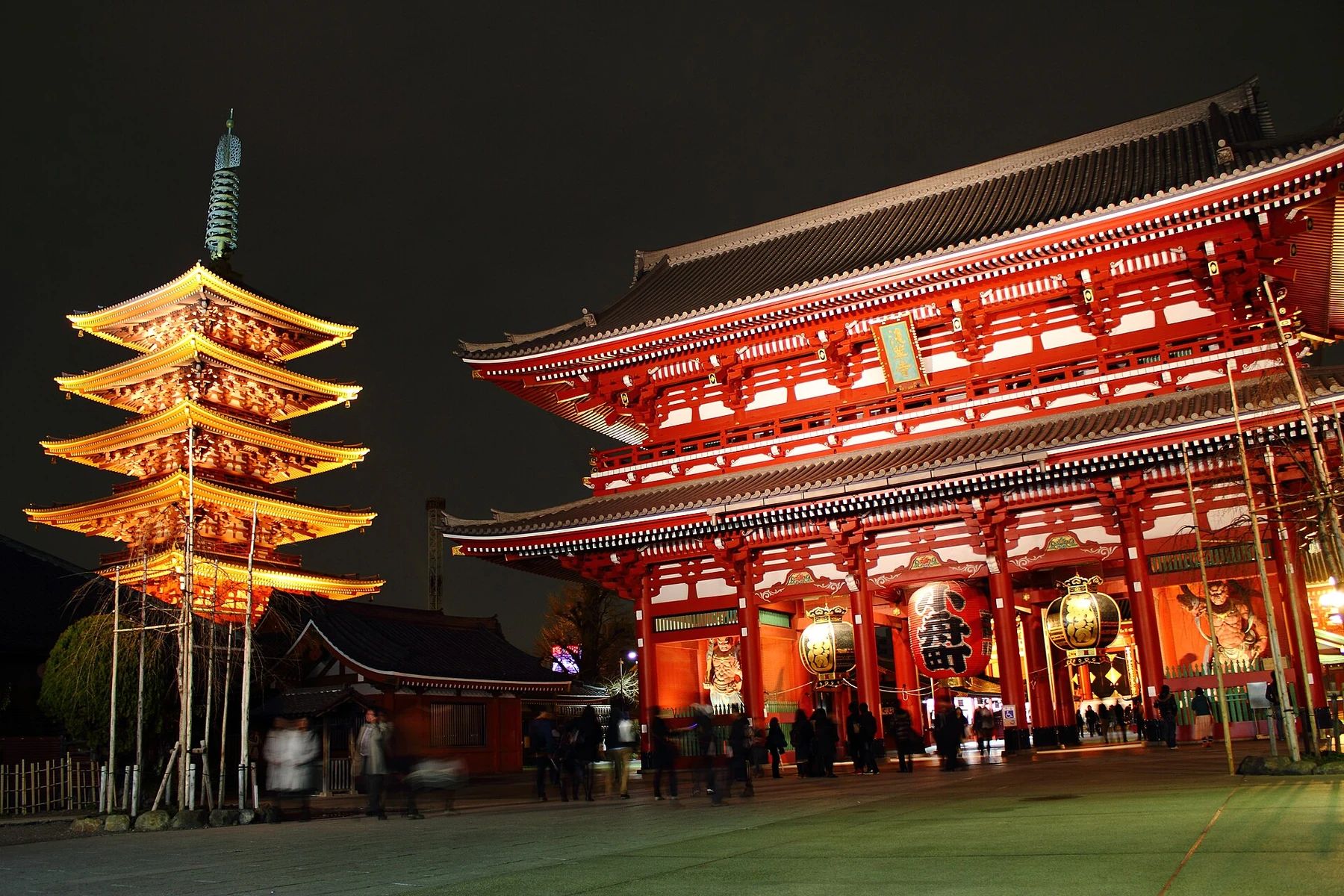
Choose a few neighbourhoods at a time: the city is best enjoyed when you leave room for transport and breaks.
Photo: Kakidai · CC BY-SA 3.0. Adapted for the web and cropped for display; the image remains under this licence.
Where should you stay in Tokyo?
Choose Shinjuku for an active first visit, Asakusa for temples and neighbourhood life, or the Tokyo Station area if you are continuing by train. Shibuya suits shopping and evenings out; Ueno is worth comparing if museums and the connection from Narita feature in your plans. None of these areas puts everything within easy reach.
Five Tokyo bases – our assessment of who they suit
Area
Choose it if…
Consider before booking
Shinjuku
You want to combine city life, restaurants and plenty of transport options.
The station is large. Check the nearest exit to your hotel and the distance to the platform you need.
Shibuya
You want shopping, cafés and evenings in the western part of the city.
Read reviews about noise and check the exact street.
Asakusa
You want Sensō-ji and an older Tokyo atmosphere close to your base.
Several western neighbourhoods take longer to reach; choose based on your daily plans.
Ueno
You want a park, museums and the option of a Keisei connection from Narita.
Ueno and Keisei Ueno are different stations; check which one your train uses.
Tokyo Station / Marunouchi
You are continuing by Shinkansen or prioritise transport connections over nightlife.
Find the right side of the station. Yaesu and Marunouchi have different access routes.
Shinjuku: a practical choice for varied days
Shinjuku brings together transport, shops and restaurants, but the station area takes some getting used to. The western side, Nishi-Shinjuku, has large office buildings and hotels; the eastern side provides access to shopping and nightlife. Do not choose a hotel simply because its address says Shinjuku. Check the walk from the station and exit you will use, and choose a quieter street if a good night's sleep matters more than staying in the heart of the nightlife.
Asakusa: start with the temple and surrounding streets
Asakusa suits travellers who want to begin the day around Sensō-ji, Nakamise and the Sumida River. From here, a walk to Kappabashi offers a different experience among kitchenware shops. The area has subway connections, but it is not a shortcut to Shibuya and Shinjuku. It is a good choice if eastern Tokyo features heavily in your itinerary.
Shibuya: choose it for your evening plans
Shibuya has fashion, cafés, restaurants and the famous pedestrian crossing. Staying here makes it easier to combine Harajuku and Omotesando with an evening in the neighbourhood. If you prefer a quiet end to the day, compare the hotel's exact location with nearby nightlife and read recent guest reviews about noise. A neighbourhood name cannot tell you how a room feels at night.
Ueno: parks, museums and another route from Narita
Ueno Park has several museums, while Ameyoko offers shopping and small eateries. Keisei's connection from Narita makes the area worth considering when arriving at that airport. Note the difference between Keisei Ueno and JR Ueno when checking hotel locations. Compare prices for your own dates; Ueno does not guarantee a cheap stay.
Tokyo Station and Marunouchi: think about your next stop
The area is practical if you are continuing to Kyoto or other cities by train. The station's shops and restaurants can also simplify your arrival day. Tokyo Station is large, and a hotel on one side may be inconvenient for the exit you need. Ginza is a nearby alternative if shopping and restaurants are your priority, but still check the connection to your onward train.
Before booking: Compare the actual walking route from the hotel to the station, room size, bed type and cancellation terms. Aim for a five- to ten-minute walk to a useful connection, but check the route on a map. Also look for lift access if you have a lot of luggage.
Getting around Tokyo: airports, subway and trains
From Haneda or Narita to your base
Haneda is closer to central Tokyo. Compare Keikyu, the monorail and buses based on your terminal, hotel and arrival time. If you arrive late, check the last useful departure rather than assuming trains run all night.
From Narita, the Narita Express may suit travel to Tokyo Station, Shinagawa, Shibuya or Shinjuku. Keisei Skyliner runs to Nippori and Keisei Ueno. Both services use reserved seats. GO TOKYO quotes around 60 minutes to Tokyo Station on the Narita Express and around 45 minutes to Ueno on the Skyliner; allow additional time for walking, waiting and onward travel to your hotel. A bus may be worth considering if it stops near your hotel.
Suica and PASMO: payment cards, not travel passes
An IC card makes paying on many trains and buses easier, without buying a new single ticket each time. It does not provide unlimited travel. Follow the provider's current guidance on physical or mobile cards, topping up and special express trains.
When does a Tokyo Subway Ticket make sense?
The Tokyo Subway Ticket covers Tokyo Metro and Toei Subway, but not the JR network, including the Yamanote Line. The official adult prices checked on 13 October 2026 are 1,000 yen for 24 hours, 1,500 yen for 48 hours and 2,000 yen for 72 hours. Validity starts from first use. See current purchase conditions from Tokyo Metro.
Plan your routes before buying. Several subway journeys within the validity period may make the ticket worthwhile; with fewer journeys and more walking, paying per trip may be simpler. Budget separately for days using JR trains. Use a route planner with your exact hotel location, and check line names, station exits and the last connection home.
Budgeting for Tokyo: calculate costs for your own dates
The room is often the biggest decision: two people can share the cost, while a solo traveller pays it alone. Build an overall budget rather than comparing hotel prices in isolation. A cheaper hotel far from your plans can cost both time and transport fares.
Example for one person sharing a room with one other person
Item
Assumed daily allowance
Note
Share of hotel cost
9,000 yen
Half of an assumed room rate of 18,000 yen.
Food and drink
4,000 yen
A budgeting allowance, not a measured average price.
Local transport
1,000 yen
Adjust for individual tickets or your chosen pass.
Admission and experiences
2,000 yen
Research and budget for more expensive guided tours separately.
Total
16,000 yen
Excludes flights, airport transfers, shopping and longer train journeys.
For four nights and five days this example comes to 36,000 yen for your share of the hotel, plus 35,000 yen for the other daily items: 71,000 yen per person before extras. These figures are chosen assumptions, not a quote for a specific hotel. Replace them with prices for your dates and add a contingency.
Keep spending more manageable by grouping nearby neighbourhoods into the same day, choosing some experiences on foot and making paid tours a considered choice. If a more exclusive hotel is part of your trip, plan time to enjoy it too.
Tokyo in four days – with fewer cross-city journeys
Four full days is our suggestion for a first introduction, not a rule for how long a trip should be. The plan below groups areas together and leaves room to skip things. Spend your arrival day in your own neighbourhood rather than making it your busiest day.
Day 1: Asakusa and the Sumida River. Start at Sensō-ji and Nakamise. Then choose a walk along the river or a visit to Kappabashi, depending on your interests. A rickshaw tour offers a guided introduction, but you can also explore the neighbourhood independently.
Day 2: Harajuku, Omotesando and Shibuya. Allow time for shops and cafés rather than only seeing the pedestrian crossing. Finish in Shibuya if an evening out appeals. Check your journey home before deciding how late to stay.
Day 3: Ueno and, perhaps, Akihabara. Choose one museum that interests you and combine it with the park and Ameyoko. Only add Akihabara if electronics, gaming or anime interest you; you do not need to tick off every neighbourhood.
Day 4: Shinjuku and a free afternoon. Consider Shinjuku Gyoen for a garden break and check opening hours. Use the rest of the day for something you missed or a food experience. Leaving a free block makes the plan more flexible if it rains or things change.
On a rainy day, swap outdoor plans for a museum or a shorter route around shops and cafés. Book experiences with fixed times only after checking how the transport fits together. See ideas for the rest of your Japan trip.
Three experiences in Tokyo
01
Asakusa by rickshaw
Experience Asakusa from a traditional Japanese rickshaw with a guide who shares stories about the neighbourhood along the way. The tour offers another perspective on the streets and can be adapted to your interests and chosen duration.
See Shibuya's neon lights and urban atmosphere on an evening tour focused on illuminated streets and panoramic views. An experience for those who want to explore the neighbourhood as the evening lights transform the cityscape.
A guided food tour takes you to local eateries in Shinjuku. Flavour takes centre stage, with the chance to explore several sides of Tokyo's food culture in one outing.
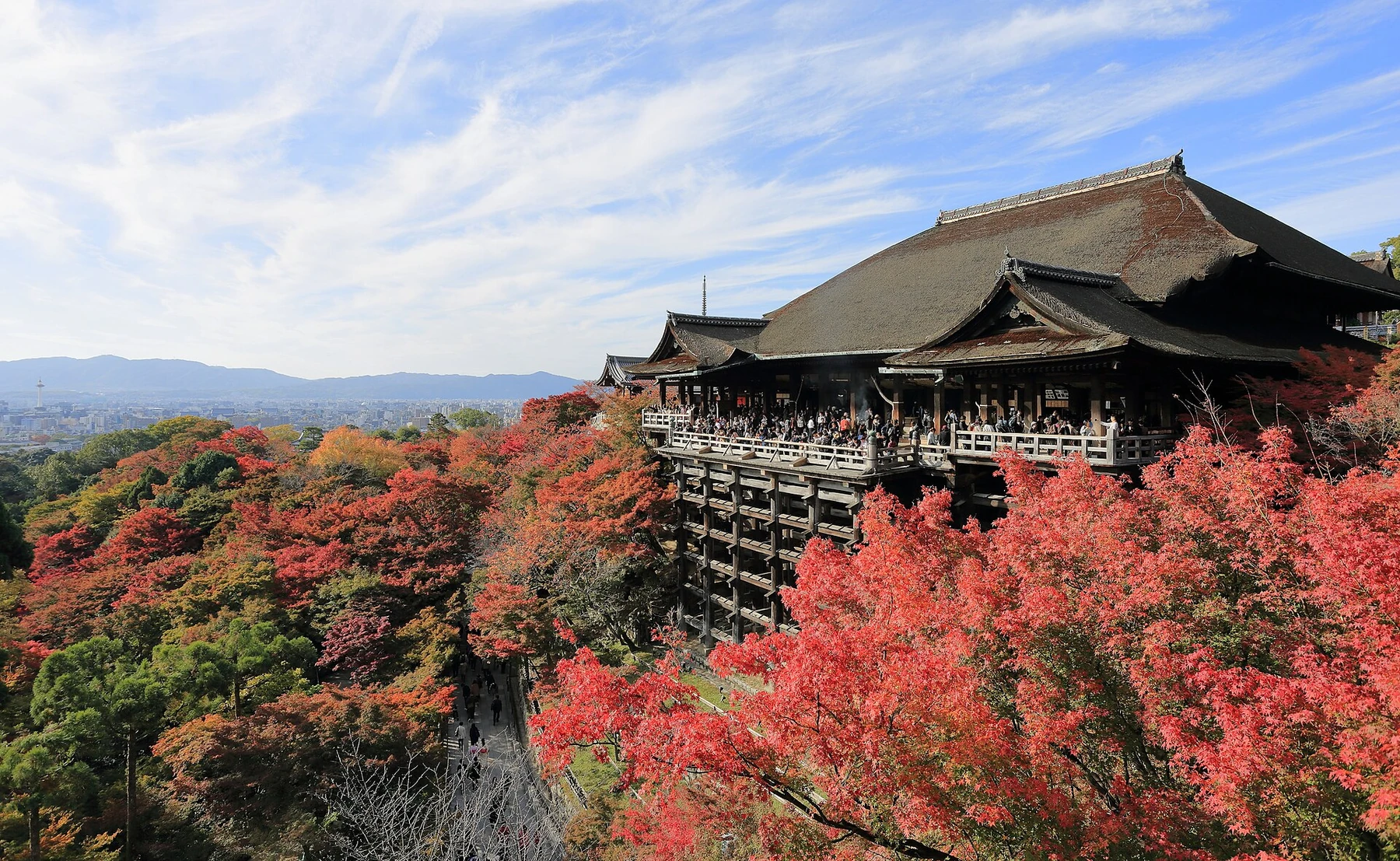
April–May and October–November are good starting points for a walking-focused trip. Spring blossom varies from year to year, and autumn colours in Tokyo can arrive late in the season. Do not book solely around a particular photograph or a promised blossom date.
June calls for more rainy-day alternatives, while July and August can be hot and humid. Winter offers a different city break, with cold days and indoor stops; check closures around New Year. Golden Week in late April and early May requires particular attention to reservations.
By Asili Journeys · Updated . This guide draws on official travel information and editorial planning suggestions. We do not describe personal visits or review specific hotels.
Prices and transport terms were checked against the sources above when this guide was updated. Check the provider’s current information for your dates. Budget examples are our calculations, not price quotes.