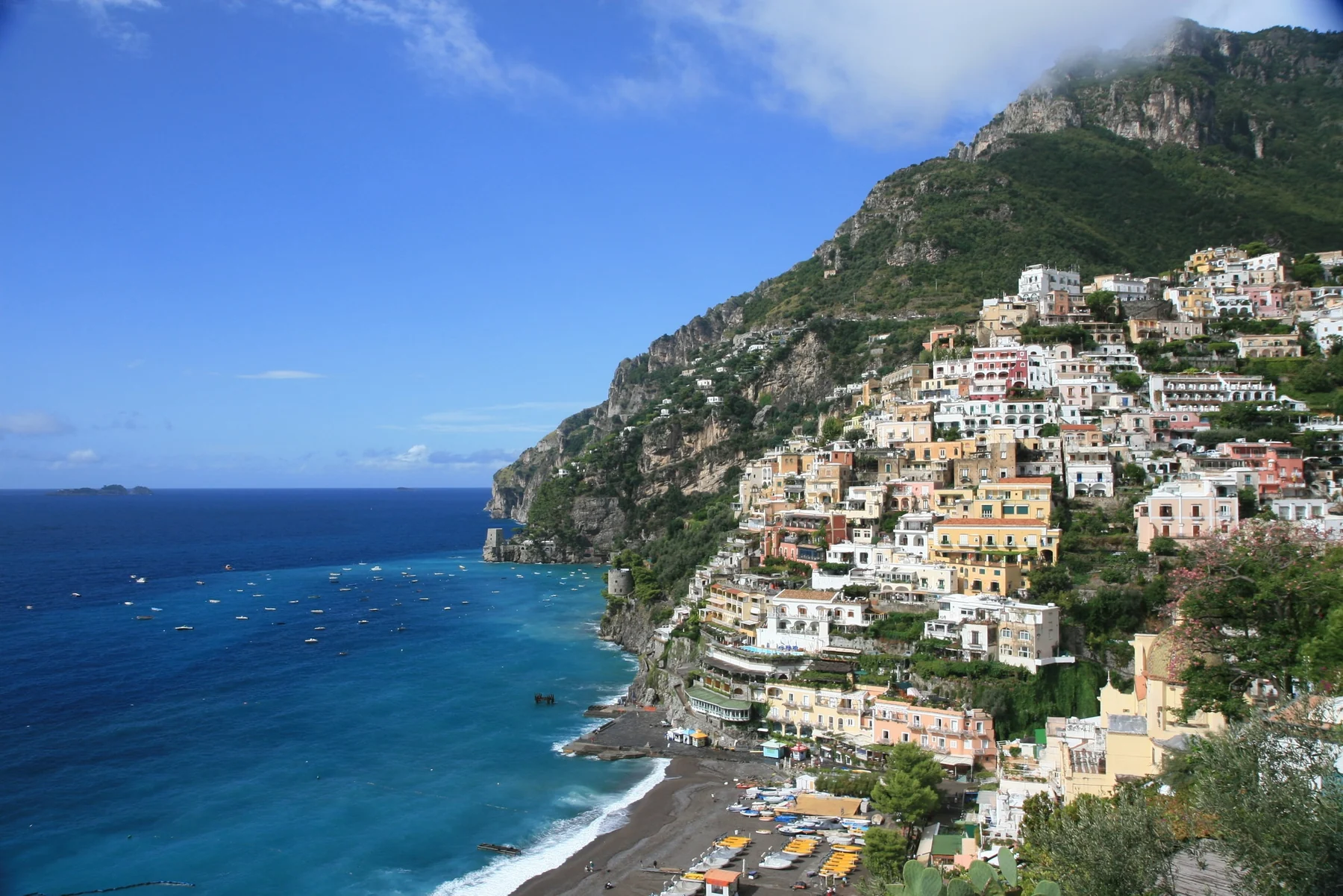
The historic centre
A starting point for walking between squares and sights. Check distances to your actual bookings: a central address does not make every outing equally convenient.
 ASILIJOURNEYS
AREA GUIDE · Italy
Layers of history, neighbourhoods to explore on foot and plenty of time between sights.
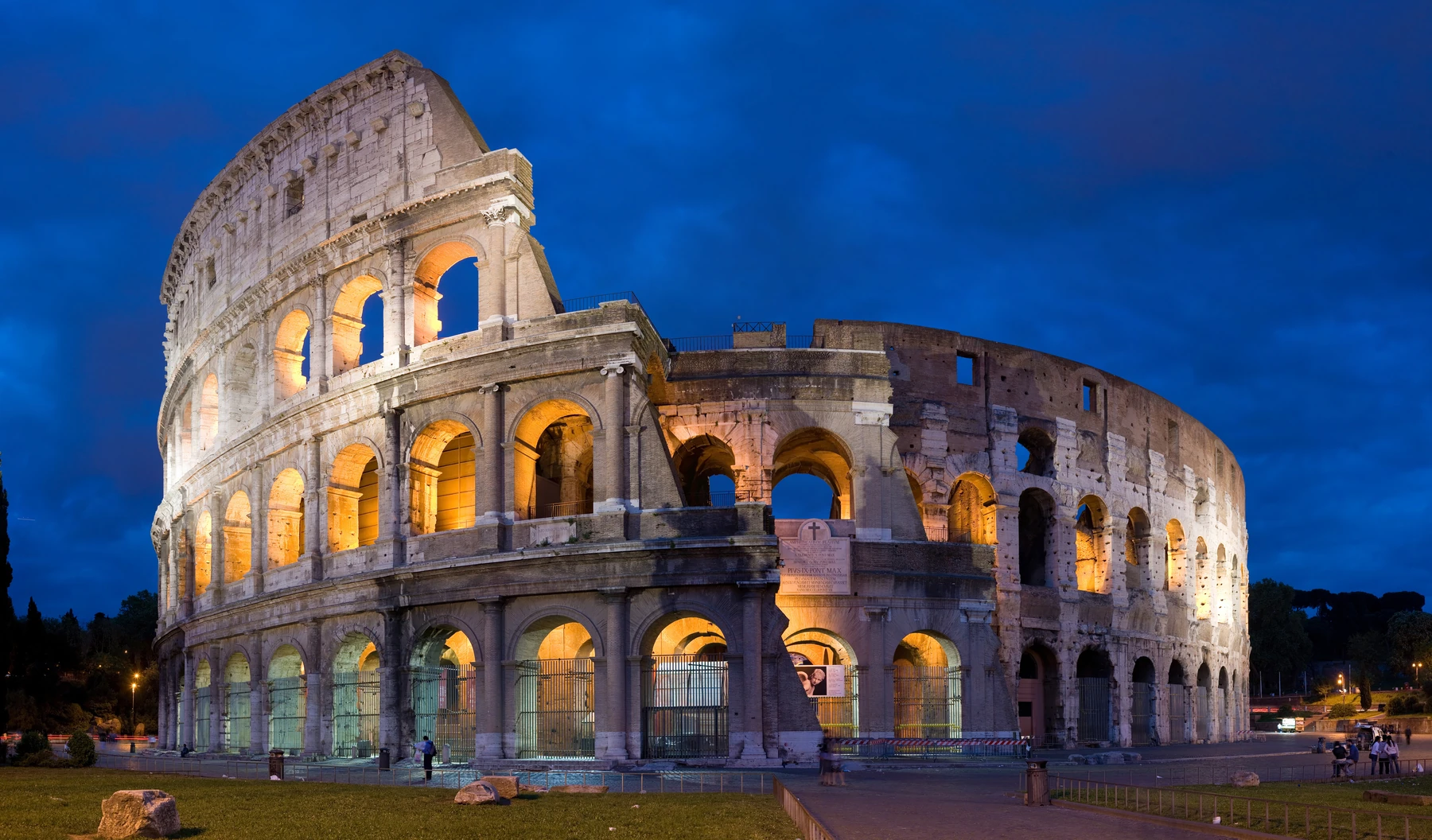
Photo: Diliff · CC BY-SA 2.5. Adapted for the web and cropped for display; the image remains under this licence.
FIND YOUR BASE
A base in central Rome can work well for walking tours and shorter distances between experiences. A smaller property and a more exclusive hotel offer different levels of comfort, even in the same neighbourhood. Spread the Colosseum, Vatican Museums and neighbourhood life over several days, and check the exact location.
Give ancient Rome, the museums and neighbourhood life separate days. This is our editorial outline for an independent trip, rather than a package holiday or a tour escorted by Asili Journeys.
Make the Colosseum, Roman Forum and Palatine Hill your main visit. Choose admission or a guided experience according to the areas you want to enter, leaving the rest of the day flexible. Arena, underground and standard admission are different products. The park requires a reserved Colosseum time slot and identification alongside named tickets. Check the official admission rules before booking.
Keep this on a different day from the Colosseum. Check your date, meeting point and inclusions with the Vatican Museums. Museum admission does not automatically include every other Vatican attraction. Avoid another timed booking immediately after the advertised finishing time.
Leave your final full day less structured. Explore a manageable part of the historic centre at your own pace. Choose Trastevere for dinner or the existing food walk below for a guided introduction. Turismo Roma provides further three-day ideas if you want to swap a stop.
A starting point for walking between squares and sights. Check distances to your actual bookings: a central address does not make every outing equally convenient.
Consider this area if ancient Rome is central to your plans. Compare the exact address, access with luggage and arrangements for a quiet night.
Prati can suit a Vatican-focused day; Trastevere can suit neighbourhood exploring and meals. Match the location to your plans rather than choosing only by photographs.
Add flights, accommodation, local transport, meals, admission and optional guided visits for your own dates. Compare the same number of nights and room conditions. Check whether tours include entrance tickets and whether local taxes are payable at the accommodation. A boutique hotel and a simple room can produce very different totals, so we do not give a single holiday price.
This outline offers three different sides of Rome with one main visit a day. Spread it over more days for extra museums or a slower pace.
Check the language of the actual departure. A translated booking page does not establish the language of the tour. Asili Journeys does not provide its own tour escort.
Decide the number of nights and transport first. Continue with our Italy guide, Tuscany guide or Amalfi Coast guide, and save your own arrangements in the trip planner.
Editorial planning suggestions. Admission rules checked with the official attractions on 26 October 2026; recheck before booking.
Explore three key sites of ancient Rome with a guide. Together, the Colosseum, Roman Forum and Palatine Hill tell the story of the city's public life, politics and power.
Advertisement · Viator
View the experienceExplore the Vatican Museums’ art collections with a guide and visit the Sistine Chapel. The tour puts the works in context and helps you navigate the extensive collections.
Advertisement · Viator
View the experienceTaste your way through Trastevere on a food tour featuring pizza, wine and gelato, among other treats. The neighbourhood's streets and eateries provide the setting for an introduction to Roman food culture.
Advertisement · Viator
Check prices and availabilityApril–June and September–October are well suited to cities, food and excursions. June–August also works for summer and beach holidays. July and August can be very hot and busy.
See advice for all 12 months in ItalyThe advice provides a general overview of the country. Local conditions and activity opening times may vary.
EXPLORE WITH A GUIDE
Browse current tours and experiences. Choose your preferred guide language, date and group size.
Ad
Browse tours on GetYourGuideFIND A STAY
Browse hotels and other accommodation in central Rome. Choose your dates to see prices and availability.
Find stays on Booking.comBookings and payments are handled by the provider. About affiliate links
Editorial travel inspiration · October 2026. Suggestions for areas and types of accommodation, not reviews of individual hotels.
Use this as a suggested first-visit itinerary, rather than a list to complete at any cost. Reserve one major attraction per day and leave space for lunch, walking and queues. Arrival and departure days are better kept flexible.
Start with the Colosseum, Roman Forum and Palatine Hill using the admission or guided-tour option that fits your interests. Check which areas your ticket includes before paying. Spend the rest of the day around Monti rather than crossing the city for another timed booking. If archaeology is your main interest, give the Forum more time and shorten the afternoon walk.
Keep the Vatican Museums and Sistine Chapel together as the main visit. Allow for security and the time needed to move through the collections. Do not assume museum admission includes every other Vatican attraction. An afternoon without a fixed booking gives you room to rest or continue exploring, depending on how much energy you have left.
Choose a walk through the historic centre, then spend time across the river in Trastevere. A food tour can provide structure if you want to try several dishes; independent meals give you more freedom over budget and timing. Read what tastings and drinks are included and tell the operator about dietary requirements before booking.
Compare the actual walk from your accommodation to the Colosseum and your nearest transport stop. Monti is a useful starting point when ancient sites are central to the trip. Ask about stairs, lift access and street-facing rooms rather than choosing solely by neighbourhood name.
Trastevere suits a trip with time for restaurants and wandering. A lively location can also mean evening noise, so ask for a quieter room if sleep is a priority. Check the journey back from your planned sights before committing to a hotel.
If Rome is one stop on a longer Italy trip, staying within an easy walk of Termini can simplify arrivals and departures. Compare the precise street, recent property information and luggage access. A station-side base and a historic-centre base solve different practical needs.
For Fiumicino arrivals, Trenitalia’s Leonardo express connects the airport with Roma Termini without intermediate stops in a scheduled 32 minutes. That is train time, not the total journey from your aircraft to your accommodation. Add time for baggage, reaching the platform and the final transfer. Check current departures and fares with Trenitalia.
Build your budget from a live accommodation quote, return airport transport, daily meals and your selected admissions. Compare a guided tour with admission-only tickets on what is actually included. Leave a separate allowance for local transport and any accommodation taxes shown in the booking terms.
For example, if your own quotes total €450 for three nights, €240 for meals and €160 for transport and admissions, the subtotal is €850 for two people before flights and any extra taxes. This is an illustrative calculation, not a current price quote or a claim about average Rome prices. Replace each figure with prices for your dates.
For a less rushed trip, add nights in Rome before adding another destination. If you do continue, see our Tuscany guide and Amalfi Coast guide, then check the travel time between bases.
Three full days work for the suggested introduction above. They will not cover every major museum and neighbourhood. Choose fewer sights if you prefer long meals or need more rest between walks.
For any attraction essential to your trip, check the official booking calendar before finalising your itinerary. A tour listing does not guarantee availability on your dates.
Yes, but treat the coast as a separate part of the itinerary. Rome is primarily a city break; allowing a transfer day avoids squeezing a distant beach stop between timed museum visits.
Editorial planning suggestions updated 22 October 2026. Transport source: Trenitalia. Neighbourhood reference: Turismo Roma. Suggestions are not claims of personal stays or hotel reviews.