Tenerife, south
- Typical January climate
- About 22 °C average daily high · 15 °C low · 17 mm rain [1]
- Best for
- Mild sun, walks and excursions
- Check before booking
- The north and south have different elevations and weather.
 ASILIJOURNEYS
JANUARY · WINTER SUN, BEACHES AND CITY BREAKS
When Denmark moves into winter, people look for warm places to visit in January. But “warm” can mean anything from mild days in Tenerife to tropical heat in Thailand — and climate is only one part of the choice.
This guide compares five destinations by typical temperatures, rainfall and travel style. It also helps you choose between a shorter escape, a city break and a longer trip for beaches or island time.
These are climate data, not a forecast. Stations and reference periods differ, so use the figures to understand the type of holiday — not to declare a precise “hottest” winner. The Tenerife figure is from the southern airport station; the Zanzibar figure uses an older reference period.
At Tenerife Sur, the historical average daily high in January is 21.7 °C and the average overnight low is 15.2 °C. The southern airport station records 17 mm of normal January rainfall. These figures describe the station, not the whole island: the north coast and higher ground are cooler and wetter. [1]
Tenerife works well if you want a mix of relaxed days, villages and excursions without planning the entire trip around tropical beach weather. See our Spain guide, and check your exact base if beach access or a heated pool matters.
January climate data from Egypt’s meteorological authority show an average high of 21.7 °C and an average low of 11.2 °C in Hurghada. The recorded normal rainfall is very low, but dry air does not guarantee warm sea water or wind-free beach days. [2]
Choose Hurghada if you want a simple Red Sea base and options for snorkelling or boat trips. Pack for the evenings too, and ask the hotel whether its pool is heated on your dates. Start with our Hurghada guide or compare it with Egypt.
WMO climate data from the Thai Meteorological Department show an average January high of about 32.4 °C and a low of 23.9 °C in Phuket. The series lists about 23 mm of rainfall and 4 rain days; these are averages, not a promise of dry weather on your travel dates. [3]
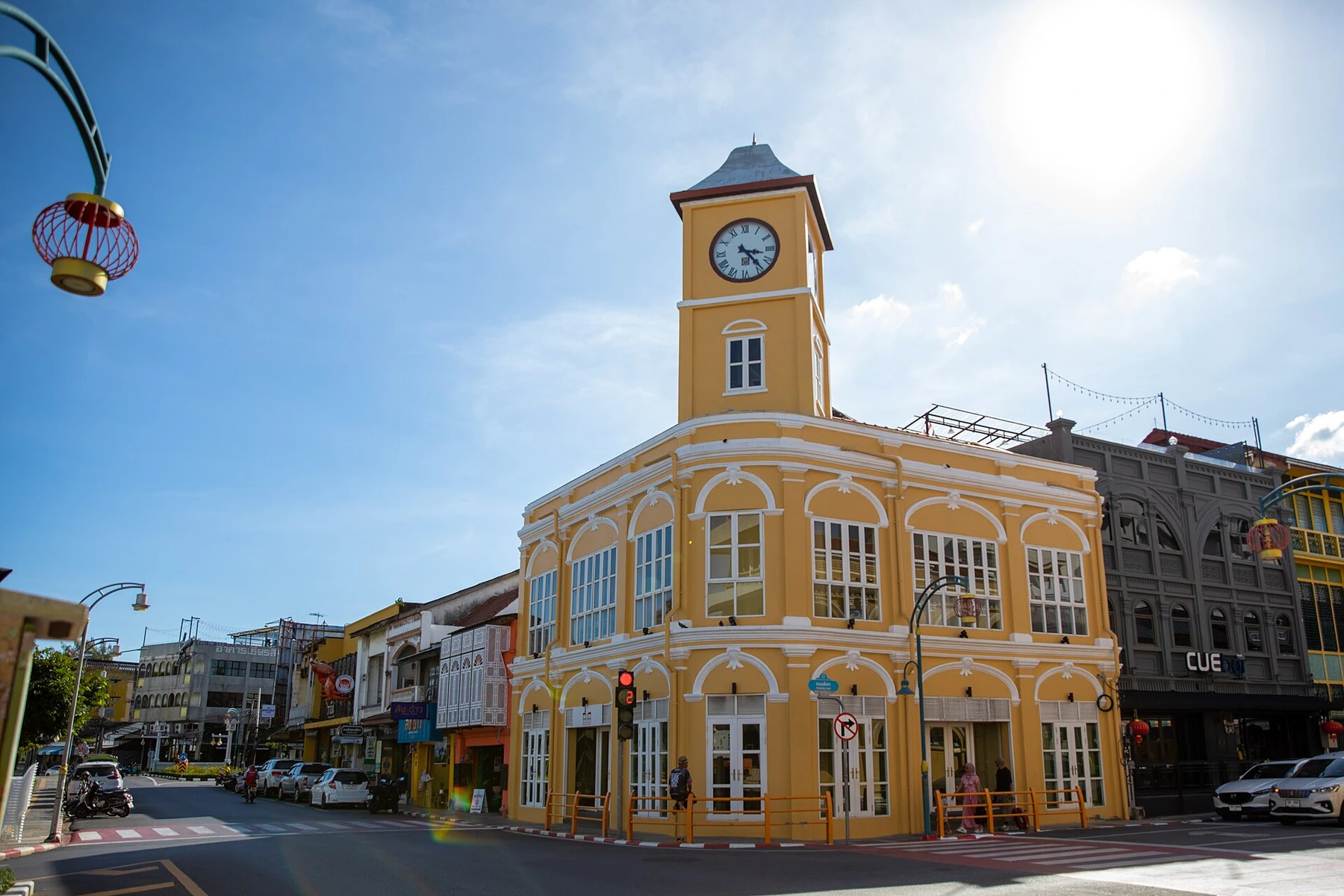
Phuket suits travellers looking for tropical temperatures with a mix of beach, food and excursions. Choose an area first — perhaps a beach base or Phuket Old Town — then plan boat trips with a flexible day afterwards. Read our Phuket guide and Thailand overview.
WMO figures from the Tanzania Meteorological Agency show a January average high of 32.1 °C and an overnight low of 23.3 °C for Zanzibar. The table lists 9.6 mm of rain and 7 rain days, but the reference period is 1971–2000 — older than the other sources here. Treat this as a broad climate picture and check more recent local weather information before travelling. [4]
Zanzibar may suit you if you want beaches, Stone Town and a slower island pace. Consider distances between bases, transfers and how many excursions you actually want to fit in. See our Zanzibar guide and Tanzania overview.
The Maldives Meteorological Service identifies January to March as the dry northeast monsoon. According to the service, January, February and March average 10–11 sunshine hours per day. Rainfall still varies between northern, central and southern atolls, and tropical showers can occur. [5]
Your island choice is part of the holiday itself. Compare a local island with a resort, and include transfers, meals and any extra nights in the total. Read our Maldives guide and Maafushi guide before choosing an area.
Bangkok is a warm January alternative if food, markets and city experiences matter more than beaches. The Japan Meteorological Agency’s normal for Bangkok Metropolis shows a January mean temperature of 27.6 °C and 24.2 mm of rainfall. This is a monthly mean, not the daily high. [6]
Use our Bangkok guide to plan neighbourhoods and breaks from the heat. Bangkok and Phuket offer very different trips, even though both are in Thailand.
Want milder weather and a shorter flight? Compare southern Tenerife and Hurghada. Want tropical warmth? Look at Phuket and Zanzibar, while taking their different data periods and seasons into account. Dreaming of island time and snorkelling? Compare the Maldives’ atolls and transfer options.
Check the total price for your own dates: flights, baggage, airport transfers and excursions. Prices and availability change, and climate averages do not guarantee sunshine every day.
If you are considering other months, read our guide to warm November destinations and our December guide.
Phuket and Zanzibar both have climate figures around a 32 °C average daily high. The sources use different stations and reference periods, so the difference of a few tenths is not enough to name a reliable winner. [3] [4]
At southern Tenerife, AEMET reports an average daily high of 21.7 °C in January. This is mild winter sun, not a guarantee of warm sea water. [1]
Phuket’s WMO climate data show lower average rainfall in January than in the wetter months later in the year. This can help with seasonal planning, but weather varies from year to year. [3]
Yes. The Maldives Meteorological Service describes January to March as the dry northeast monsoon. Rain can still occur, and conditions vary between atolls. [5]
Compare the full trip cost, travel time, hotel location, transfers and what happens if weather affects an excursion. Check current terms with the airline, hotel and activity provider too.
Climate normals describe past averages, not weather on specific travel dates. Figures come from different sources, stations and periods, so they are not a precise ranking. Rainfall is not the same as sunshine hours or sea temperature.
Editorial travel inspiration. Climate averages are not a forecast; check current conditions and supplier terms for your dates.